
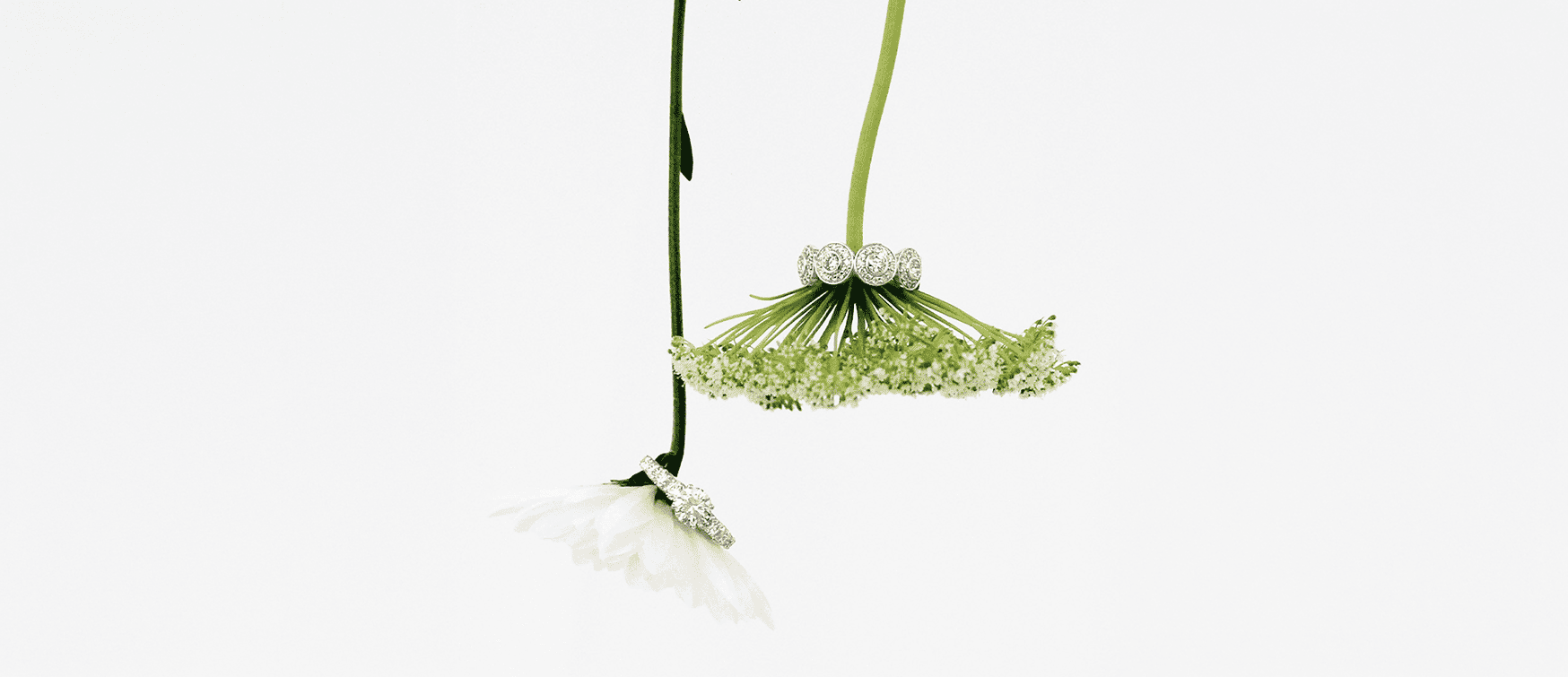
An Expert Guide by Mark Solomon Jewellers
Many people assume that buying a diamond is about choosing the biggest, shiniest stone money can afford, when in reality so many more factors play a vital role in ensuring a final piece that radiates a finely balanced work of craftsmanship, where even the slightest decision shapes the final result.
Even the smallest choice– cut proportions, light performance, colour balance, metal choice, and setting style – influences the overall look of the diamond, how it will age, and how it will fit into your life. Diamonds are not simply categorised by price or carat size. Diamonds sharing similar weight and value can have vastly different characters, long-term beauty, and brilliance.
There is a secret truth about the diamond industry, hiding the fact that most buyers never learn what actually sets apart an exceptional diamond from a merely expensive one.
Only a small number of master jewellers truly possess the knowledge of understanding how light behaves inside a stone, how even the smallest proportion change could alter performance, and how sourcing and craftsmanship influence the long-term value. These are the pieces of knowledge that aren’t written on the certificates, explained on the retail tags, or shared with the public.
For decades, Mark Solomon himself has guided private clients, collectors, and families through high-value diamond decisions using a deeper framework. His approach treats diamond selection not as a luxury purchase, but as intelligent design — balancing beauty, structure, durability, and ethics to create pieces that endure for generations.
In this guide, we introduce “The Perfect Diamond Formula”, a method that transforms diamond buying from guesswork into informed decisions. This goes beyond teaching you simply how to evaluate diamonds beyond the 4 Cs,, but also how to choose the perfect setting and metal to best enhance performance and longevity.
Whether you are designing an engagement ring, a tennis bracelet, or a legacy piece, the principles remain the same. The right diamond is not the one that looks impressive on paper. It is the one that was intentionally chosen, intelligently designed, and crafted to remain beautiful for a lifetime.

The Perfect Diamond Formula: A Clear, Confident Way to Choose
There is undeniably a lot of emotion that goes into diamond shopping, and although the excitement is great, without the proper structure and knowledge, that excitement could soon turn into regret. The key to choosing the perfect diamond lies in addressing decisions in the correct order.
The foundation of these decisions is, unsurprisingly, the diamond itself. Before any design elements are added, a clear investigation of the diamond and its 4 Cs should be done. This structured approach ensures every decision supports the next, rather than competing with it.
Understanding the 4 Cs: What Truly Matters
The 4 Cs — Cut, Colour, Clarity, and Carat Weight — form the universal language of diamonds. However, not all Cs contribute equally to a diamond’s beauty. Knowing where to focus your budget can dramatically improve the final result.
Cut: The Heart of Brilliance
Without question, the most important characteristic of any diamond is its cut. It is the main determining factor in how light interacts with the stone. In clearer terms, it is the way the light enters the stone, reflects internally, and what it looks like when reflected back into the eye. A well-cut diamond will appear bright and sparkly, whereas a poorly cut stone — even if the colour and clarity are of the highest quality — will look dull and lifeless.
One might assume that the cut refers to the shape, but in reality it describes proportion and precision. The perfect sparkle is created when angles, symmetry, and polish all come together as one. Hence, an expert jeweller will always prioritise cut above any other factor.
At Mark Solomon Jewellers, we consistently advise clients to choose excellent or ideal cut diamonds, especially when buying GIA-certified stones. This single decision has more impact on visual beauty than any other.
Colour: Subtle Differences, Strategic Choices
Diamond colour measures the presence (or absence) of colour within a stone, graded from D (colourless) to Z (noticeable yellow or brown tones). While colourless diamonds are rare and highly valued, the difference between adjacent grades is often invisible to the untrained, naked eye.
In practice, many near-colourless diamonds could appear as white once set, especially when paired with the correct metal. Understanding how colour should be influenced allows customers to make a strategic decision, freeing up some of their budget to invest in a better cut or a larger carat weight.
Rather than chasing the highest colour grade, Mr Solomon and our expert jewellers encourage clients to focus on the characteristics the eye can actually see, ensuring beauty without unnecessary expense.
Clarity: What You Don’t See Matters
Clarity refers to internal inclusions and external blemishes formed naturally as diamonds grow under extreme pressure. While flawless diamonds exist, they are exceptionally rare — and often unnecessary for most buyers.
The reality is that many inclusions are microscopic and invisible without magnification. Paying a premium for perfection that cannot be seen rarely adds practical value.
Selecting a diamond that is “eye clean”, meaning no inclusions are visible with only the naked eye, ensures a flawless look that offers excellent value.
That being said, the type, size and placement of inclusions can affect the durability and overall integrity of a diamond. If an inclusion is positioned in a vulnerable area, particularly near the edge or at a point of structural stress, it may increase the risk of damage. This is why clarity should be considered alongside the diamond’s overall structure, rather than simply choosing the highest clarity grade available.
Carat Weight: Size with Perspective
Carat weight measures a diamond’s weight, not its visible size. Two diamonds of the same carat weight can appear dramatically different depending on cut quality and shape.
A well-cut diamond distributes weight where it matters, creating a larger visual presence. In contrast, a poorly proportioned diamond can hide weight in depth, making it appear smaller than expected.
Strategic carat selection, often just below popular thresholds, allows clients to achieve impressive visual size without paying unnecessary premiums.

Choosing the Right Diamond Shape
Now that a solid foundation has been established, personal taste comes into the picture. Similar to the cut, the shape influences how light behaves within the stone — just not to such an extreme measure.
The round brilliant cut remains the most popular choice due to its shape and cut’s unmatched sparkle, but as in popular fashion, many clients nowadays are drawn to shapes that express character and individuality. Oval diamonds elongate the finger and offer elegant brilliance, cushion cuts evoke romance and vintage charm, while emerald cuts deliver understated sophistication with clean, architectural lines.
Each shape interacts differently with clarity and colour, which is why expert guidance is critical. A shape that flatters one buyer’s lifestyle may not suit another’s.
The Perfect Diamond Ring: A Confidence Checklist
Before choosing the setting, it is crucial to understand that your diamond meets all the essential standards. We recommend considering the following principles as a foundational checklist to ensure a successful purchase:
- The diamond is GIA-certified, ensuring independent, internationally recognised grading
- Cut quality is prioritised for maximum brilliance
- The diamond is eye-clean and visually balanced
- The colour grade complements the chosen metal
- The stone aligns with the wearer’s lifestyle and daily use
With the diamond selected, we can turn our attention to the setting — where engineering meets artistry.
Choosing the Right Setting: More Than Design
The setting is far more important than simply holding the diamond in place. It has to ensure that the stone is held tight and secure for as many years as possible, while directly influencing the amount of light the diamond gets to interact with. It also plays a role in how practical the overall piece will be considered over time.
To allow maximum light to enter the diamond, many people consider the classic prong setting to be the best option. Although this setting enhances brilliance and sparkle, it requires regular maintenance to ensure the prongs remain strong and secure.
In recent years, there has been a growing interest in bezel settings, which encase the diamond in metal, offering exceptional protection. Although slightly reducing light exposure, they have become increasingly popular among active clients who value durability.
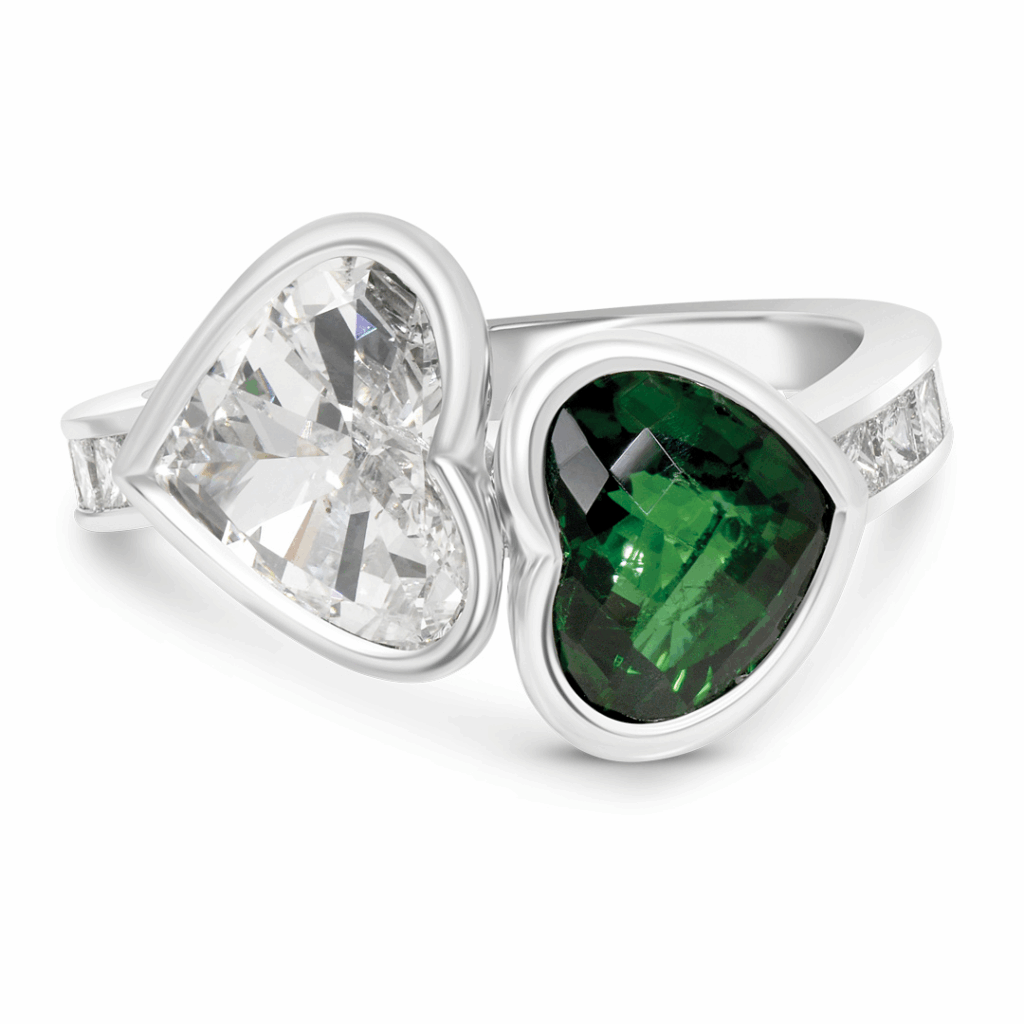
A romantic “Toi et Moi” ring with a bezel-set heart-shaped diamond and Tourmaline.
Halo settings add drama, surrounding the centre stone with smaller diamonds that amplify sparkle and size. They are ideal for those seeking visual impact, though they require more careful cleaning and maintenance.
Tension settings create the illusion that the diamond is floating, delivering a striking contemporary look. These designs demand expert craftsmanship and precise engineering, making professional guidance essential. While visually striking, tension settings require particular care and may not be the most practical choice for every lifestyle.
Metal Choice: Balancing Beauty and Longevity
When it comes to metal choice, platinum and gold remain the most popular options. The metal chosen for your ring will have an influence on both aesthetics and durability, with different metals offering distinct advantages.
Platinum is naturally white, exceptionally strong, and ideal for securing valuable diamonds. It wears gradually rather than thinning, making it a preferred choice for engagement rings intended for daily wear.
Gold, available in yellow, white, and rose, offers versatility and warmth. Yellow gold enhances warmer diamond tones, white gold delivers a bright modern look, and rose gold adds romantic character. Understanding how metal colour interacts with diamond colour ensures a harmonious final design.
Ethical Sourcing: How to Verify Diamonds in South Africa
Today’s buyers rightly demand transparency. Ethical sourcing is no longer optional — it is essential.
Although South Africa has a very rich diamond heritage, responsible sourcing has to be verified and not assumed. Diamonds should originate from suppliers that adhere to the Kimberley Process Certification Scheme — an international initiative designed to prevent unethical or conflict diamonds from entering the global market.
Equally important is GIA certification, which provides independent verification of a diamond’s characteristics. This certificate ensures peace of mind, transparency, and long-term value.
Mark Solomon Jewellers’ commitment to ethical sourcing means every diamond is selected from trusted suppliers who meet strict international standards. Clients can purchase with confidence, knowing their diamond aligns with both personal values and global responsibility.

Beyond the Ring: Applying Expertise to Other Diamond Pieces
The principles that guide engagement ring selection apply equally to other diamond investments. Diamond tennis bracelets, for example, require careful attention to stone consistency, secure settings, flexibility, and durability. For a more in-depth explanation of how to choose the perfect tennis bracelet, we invite you to read the following blog on our website: “The Timeless Appeal of the Diamond Tennis Bracelet: Designs Crafted with South African Diamond Excellence”.
Without expert guidance, buyers risk uneven sparkle, poor craftsmanship, or premature wear. With the right expertise, a tennis bracelet becomes a timeless piece — elegant, versatile, and enduring.
Final Thoughts
No two clients are the same. Budgets differ. Lifestyles differ. Values differ. This is why personalised consultation is essential.
At Mark Solomon Jewellers, we work closely with clients to understand not just what they want to buy, but why. This allows our designers to guide decisions that balance beauty, value, ethics, and longevity — ensuring the final piece feels deeply personal and completely right.
The perfect diamond is not defined by trends or marketing claims, but by informed decision-making. When you understand the fundamentals and work with an expert who prioritises your interests, the process becomes empowering rather than overwhelming.
If you are ready to choose with confidence — whether for an engagement ring, a diamond tennis bracelet, or a bespoke investment piece — Mark Solomon Jewellers invites you to book a private one-on-one consultation.
Because the right diamond is not just seen. It is understood.


